Curious Taste Buds: How to Get the Kids Involved in the Kitchen

Curious Taste Buds: How to Get the Kids Involved in the Kitchen
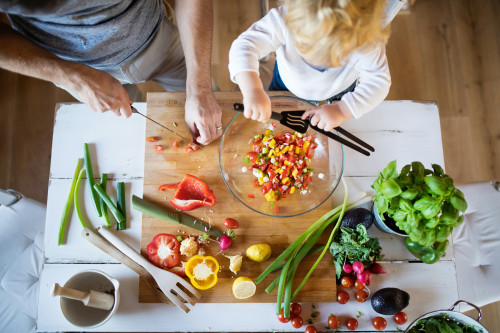
Cooking together as a family can be both fun and rewarding. When children take part in preparing meals, they don’t just learn practical skills – they also develop curiosity about flavours, ingredients, and healthy eating. Mealtimes become something you create together, rather than something that simply appears on the table. Here are some ideas for getting your children involved in the kitchen in ways that suit their age and interests.
Make the Kitchen a Safe and Fun Space
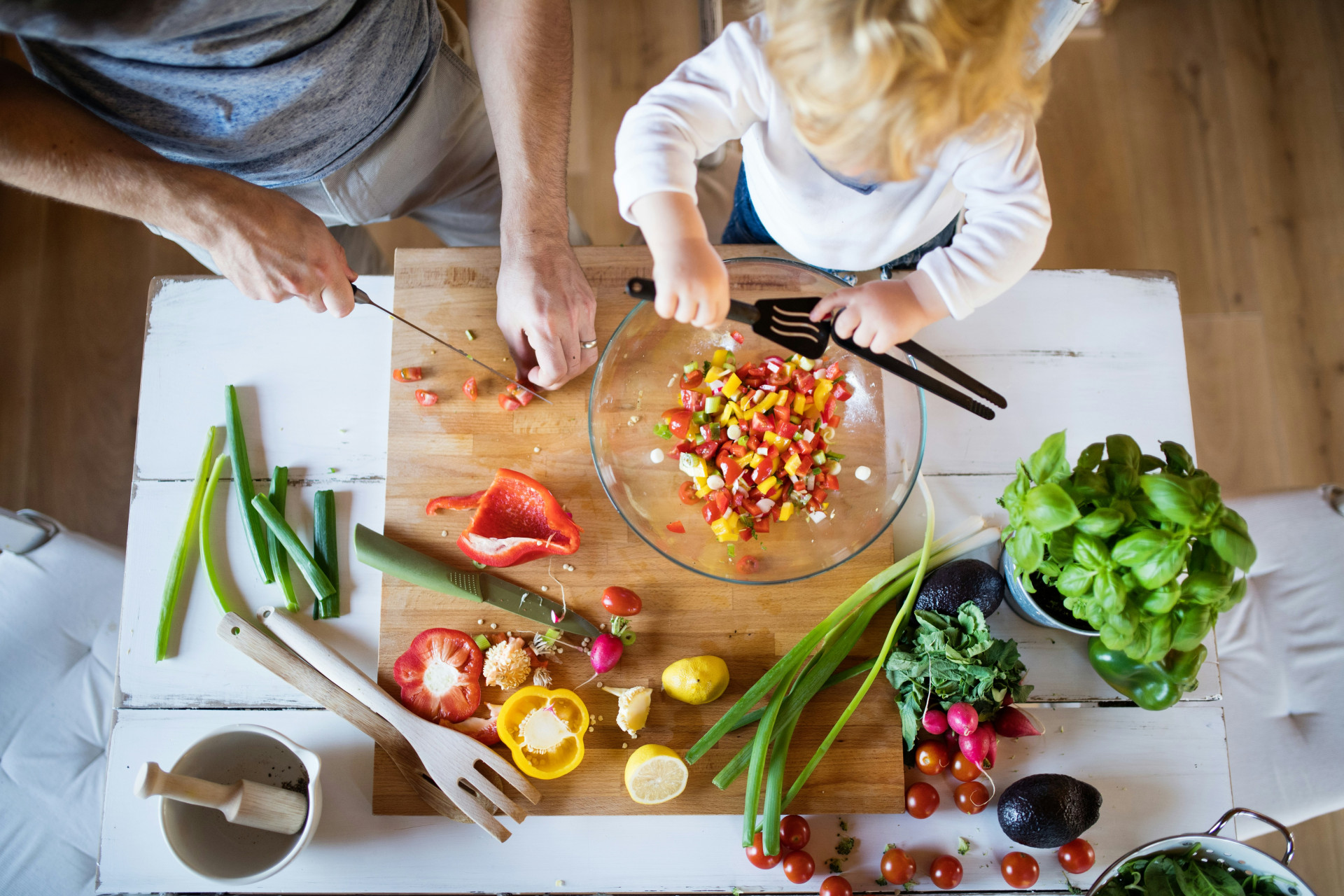
For many children, the kitchen is full of fascinating sights and smells, but it can also feel a little intimidating. The first step is to make it a safe and welcoming place. Let them touch, smell, and taste ingredients, and give them small tasks they can manage on their own – washing vegetables, stirring a bowl, or setting the table.
Try not to focus too much on speed or perfection. When children feel relaxed and free to experiment, their enthusiasm grows. It helps to set aside extra time for cooking together, so there’s room for chatting, laughter, and the occasional mess.
Age-Appropriate Tasks
Children can join in from a very young age – it’s all about matching the tasks to their abilities.
- Ages 2–4: Wash fruit and vegetables, pour ingredients into bowls, stir mixtures, and help decorate dishes.
- Ages 5–7: Cut soft foods with a child-safe knife, whisk eggs, measure ingredients, and help lay the table.
- Ages 8–10: Follow simple recipes, flip pancakes under supervision, and take charge of small dishes like salads or pasta sauces.
- Ages 11 and up: Plan meals, write shopping lists, and experiment with their own recipes.
By gradually giving children more responsibility, they learn not only about cooking but also about teamwork and planning.
Læs også:


Turn Cooking into Learning
The kitchen is a brilliant place for learning without it feeling like homework. Measuring flour, counting eggs, or talking about where ingredients come from can all spark curiosity about maths, science, and culture.
You can also use cooking to talk about sustainability: Why do we choose seasonal vegetables? What does “organic” mean? How can we reduce food waste? These small conversations help children understand how our choices affect both our health and the planet.
Make It a Shared Experience
Cooking is most enjoyable when it feels like a shared adventure. Try having a regular “family cooking night” where the children choose the menu – perhaps with a theme like “Mexican fiesta” or “British classics”. Giving them a say makes them more invested in the process.
You could also let them invite friends or grandparents for a meal they’ve helped prepare. It’s a lovely way to build confidence and pride in their efforts.
When Things Don’t Go to Plan
There will be days when the kitchen looks like a disaster zone and the food doesn’t turn out as expected. That’s perfectly normal – and part of the fun. Instead of stepping in to fix everything, use it as a chance to show that mistakes are part of learning. A burnt batch of biscuits can become a funny story or a reason to try again next weekend.
The key is to keep the experience positive. Praise their effort and creativity, not just the final result.
Building Healthy Habits from the Start
Children who help cook are often more willing to try new foods. They gain a better understanding of what goes into their meals and why a balanced diet matters. You might let them pick a new fruit, vegetable, or spice to try each week – turning healthy eating into an adventure rather than a chore.
Cooking together isn’t just about getting dinner on the table. It’s about creating memories, strengthening family bonds, and giving children skills and confidence that will last a lifetime.
Læs også: