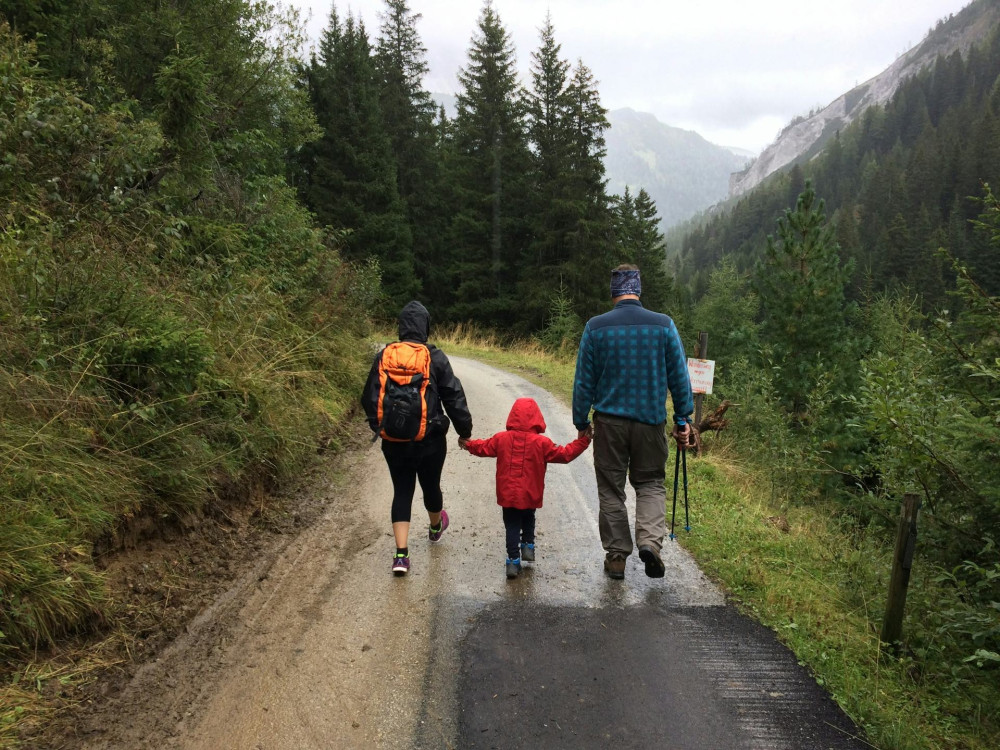
Getting to the chalet with small children


Getting to the chalet with small children
Shared Activities for All Ages: When Children and Older Adults Come Together in Community and Play

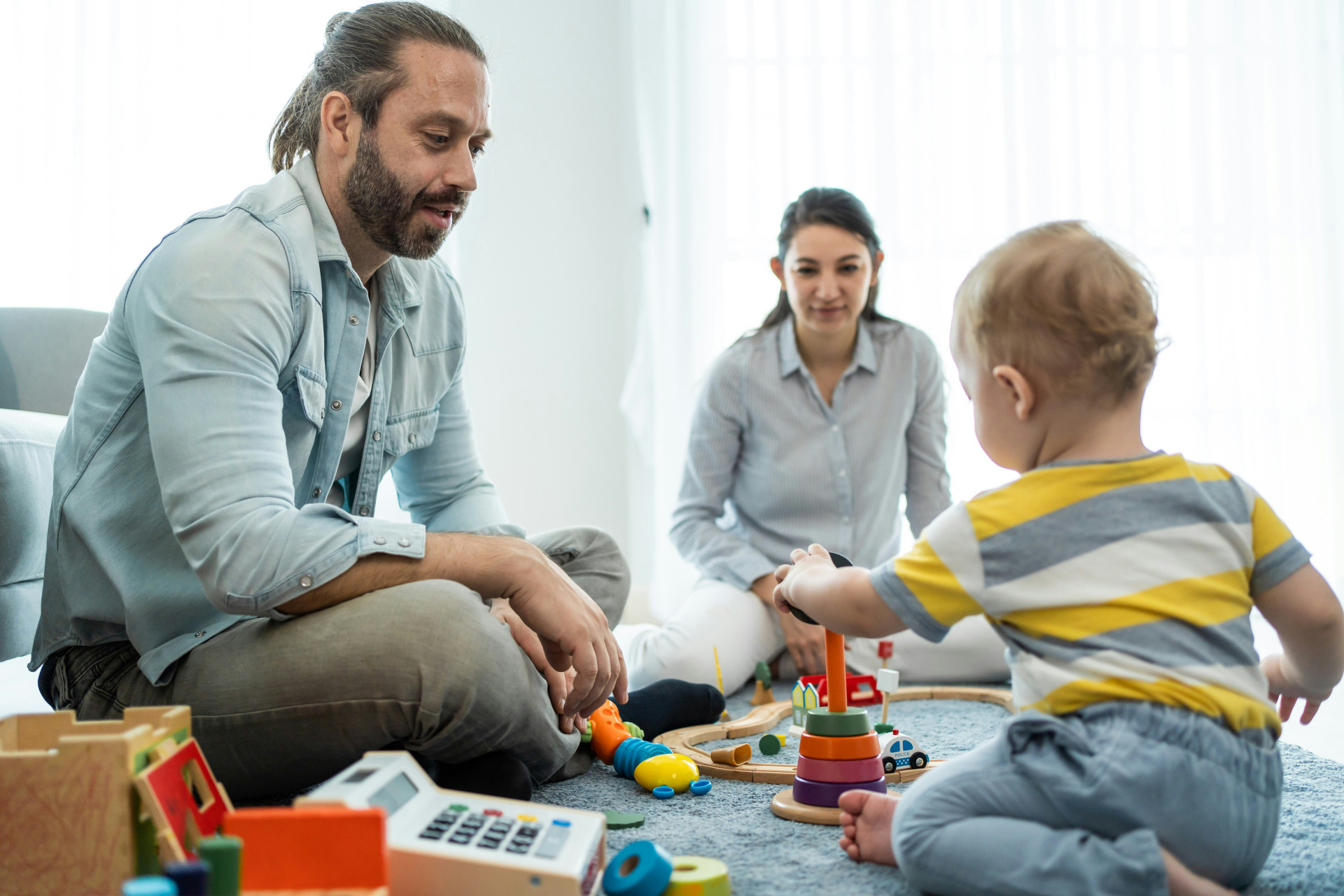
Shared Activities for All Ages: When Children and Older Adults Come Together in Community and Play
When children and older adults meet, something special happens. It’s not just a meeting between generations, but between curiosity and experience, energy and calm. In a time when many families live busy and separate lives, shared activities across ages can build new connections, strengthen communities, and bring joy and meaning to everyone involved.
Here you’ll find inspiration for how to create activities that bring generations together – whether within families, neighbourhoods, or community organisations.
Why Shared Activities Matter
Research shows that intergenerational contact benefits both children and older adults. Children gain patience, empathy, and a sense of history from older people’s stories and experiences, while older adults often feel renewed energy, purpose, and belonging.
For many older people, spending time with children can reduce loneliness and bring a sense of vitality. For children, it helps them see ageing as a natural part of life and fosters respect and understanding for people of all ages.
Læs også:

Activities That Bring Joy and Connection
The most important thing isn’t what you do, but that you do it together. Here are some ideas for activities that work well across generations:
- Creative projects – Try simple crafts, painting, or gardening together. Older adults can share skills and techniques, while children bring imagination and colour.
- Cooking and baking – Preparing food together is a timeless way to connect. Children love mixing and decorating, while older adults can share family recipes and stories from the past.
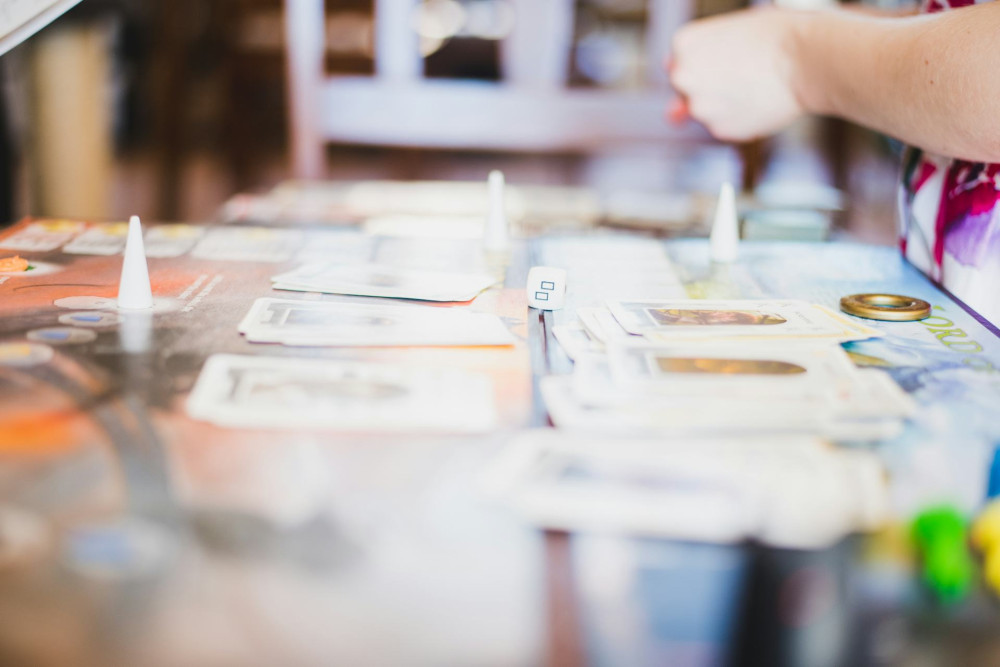
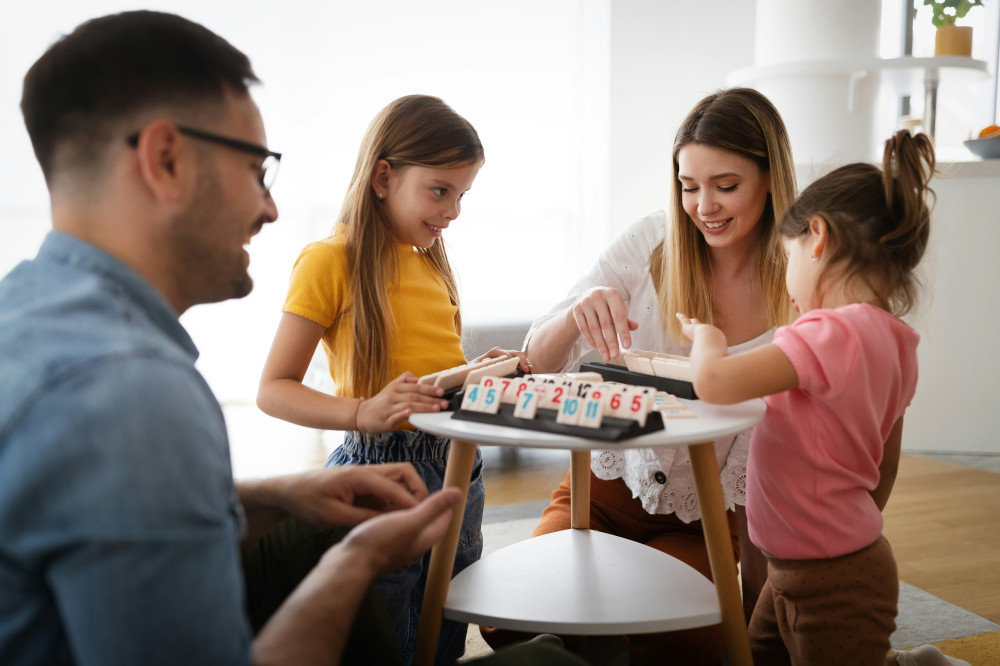
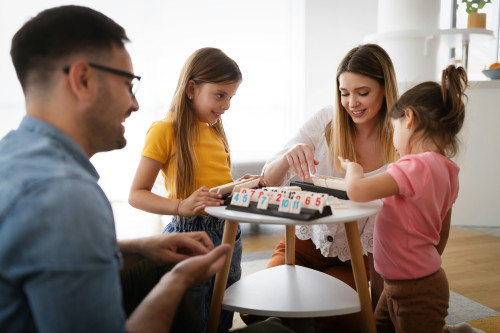
- Games and play – Board games, card games, or gentle outdoor activities like boules or skittles can be adapted for all abilities. The focus is on fun, not competition.
- Storytelling – Older adults can share memories from their childhood, while children can ask questions or draw what they hear. It’s a wonderful way to learn and bond.
- Music and movement – Singing familiar songs, playing simple instruments, or dancing together can lift spirits and create shared laughter. Music has a unique power to connect people across generations.
When Communities and Organisations Work Together
Across the UK, there are growing examples of nurseries, schools, and care homes working together. Some host weekly visits, shared garden projects, or seasonal celebrations. These initiatives take planning, but the rewards are significant. Staff often notice that both children and older residents become more engaged, confident, and happy.
Local libraries, community centres, and faith groups can also play a role by organising intergenerational events – from storytelling afternoons and craft workshops to community picnics and music days. These gatherings help build stronger, more inclusive neighbourhoods.
Creating Spaces That Work for Everyone
When planning activities across ages, it’s important to consider both children’s energy and older adults’ need for comfort and structure.
- Allow for breaks and flexibility, so everyone can participate at their own pace.
- Choose adaptable activities, suitable for different levels of mobility and attention.
- Create welcoming spaces, where people feel safe and valued, without pressure to perform or achieve.
It’s not about perfection – it’s about shared moments of connection and joy.
The Everyday Value of Togetherness
When generations come together, everyday life becomes richer. Children learn that age is no barrier to friendship and play, while older adults discover that they still have much to give and share.
Even small gestures – visiting grandparents more often, inviting an elderly neighbour to join a family activity, or organising a community baking day – can make a real difference.
In a world where many people feel isolated or rushed, intergenerational activities remind us that we belong to one another. It’s in these shared moments between young and old that we see the full circle of life – and where both children and older adults can find joy, meaning, and connection.