Education Choices with Balance: Supporting Your Child in Finding Their Path

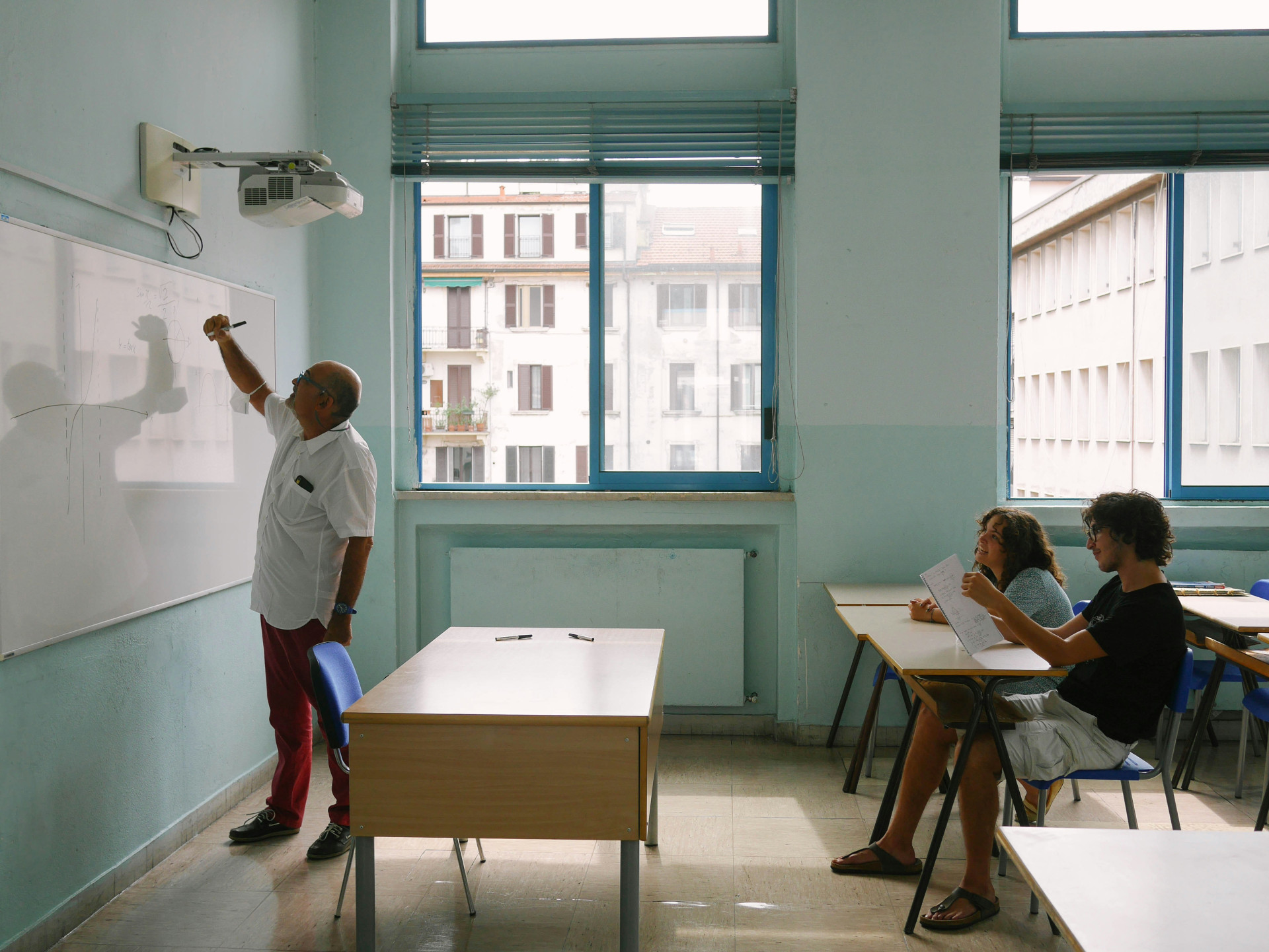
Education Choices with Balance: Supporting Your Child in Finding Their Path
When young people face decisions about their education, it can be a time filled with both excitement and uncertainty. Parents naturally want to help, but it can be difficult to know how much to get involved. It’s a delicate balance between guiding and giving space – between sharing experience and allowing your child to find their own direction. This article offers inspiration for how you, as a parent, can support your child in making an educational choice that fits their interests, abilities, and dreams for the future.
Listen Before You Advise
When your child is making an important decision, it’s tempting to jump in with advice. But the first step is to listen. Ask what motivates them, what they enjoy, and what worries them. What subjects or activities make them feel energised? What kind of environment helps them thrive?
By listening without judgement or pressure, you show that you trust your child to find their own way. This creates a safe space where thoughts and doubts can be shared openly – turning the decision-making process into a conversation rather than a conflict.
Help Explore the Options
The world of education in the UK can feel overwhelming, with choices ranging from A-levels and T Levels to apprenticeships, vocational courses, and university degrees. As a parent, you can help your child make sense of it all – without taking over.
- Research together: Look into different courses, open days, and apprenticeship opportunities.
- Talk to others: Do you know someone working in a field your child is curious about? A chat can offer valuable, realistic insight.
- Use professional guidance: Careers advisers at school or through the National Careers Service can help your child explore their interests and options.
The key is to show that there isn’t just one “right” path – there are many routes that can lead to a fulfilling life.
Avoid Letting Your Own Dreams Take Over
It’s easy, often without realising it, to project your own hopes or experiences onto your child. You might wish for them to choose a “secure” career, or to follow a path you once wanted for yourself. But children quickly sense when expectations don’t match their own aspirations.
Instead, try asking open questions: What appeals to you about that course? What do you hope to get from it? This helps your child reflect and take ownership of their decision.
Allow Room for Doubt and Change
It’s completely normal to feel uncertain – and to change direction along the way. Many young people switch courses, take a gap year, or discover that their first choice wasn’t quite right. That’s not failure; it’s part of learning and growing.
As a parent, you can support by showing that it’s okay to experiment. Finding one’s path isn’t about getting it right the first time, but about getting to know oneself better. That reassurance can make it easier for your child to take brave steps forward.
Talk About Both Dreams and Realities
A balanced approach to education choices means combining dreams with realism. This doesn’t mean dampening ambition, but rather discussing what it takes to reach certain goals – and what alternatives might exist.
If your child dreams of a creative career, for example, you can explore together how to combine passion with practical opportunities. It’s about nurturing curiosity while helping them see the bigger picture.
Support Without Controlling
As the decision draws closer, it can be hard to step back. But it’s important that your child feels the choice is truly theirs. Your role is to support, not to steer. That means being available for advice when needed – but also accepting if your child chooses a different path from the one you might have imagined.
Trust and encouragement build confidence. And confidence is often what’s needed to take that first step into something new.
Læs også:



A Journey, Not a Final Destination
Choosing an educational path isn’t a final decision, but the beginning of a journey. The most valuable thing you can give your child is the belief that they can find their way – even if it changes over time. When you support with openness, curiosity, and respect, you help your child develop independence and resilience.
Finding balance as a parent ultimately means letting go with love – and being ready in the background when your child needs support.
Læs også: