Talk About What You Read: Make Reading a Shared Experience

Talk About What You Read: Make Reading a Shared Experience
Reading together can be much more than simply sharing a book. It can become a shared experience that strengthens relationships, sparks conversation, and opens new perspectives – for both children and adults. When we talk about what we read, the words come alive, and the stories grow beyond the pages. Here’s how you can make reading a meaningful and shared part of everyday life.
Reading as Connection – Not Just a Task
Many people think of reading as something you do alone. But when reading becomes a shared activity, the experience changes. It’s not just about practising reading skills; it’s about sharing thoughts, feelings, and discoveries. For children, it can be a safe way to explore the world alongside an adult. For adults, it’s a chance to rediscover the joy of stories and language.
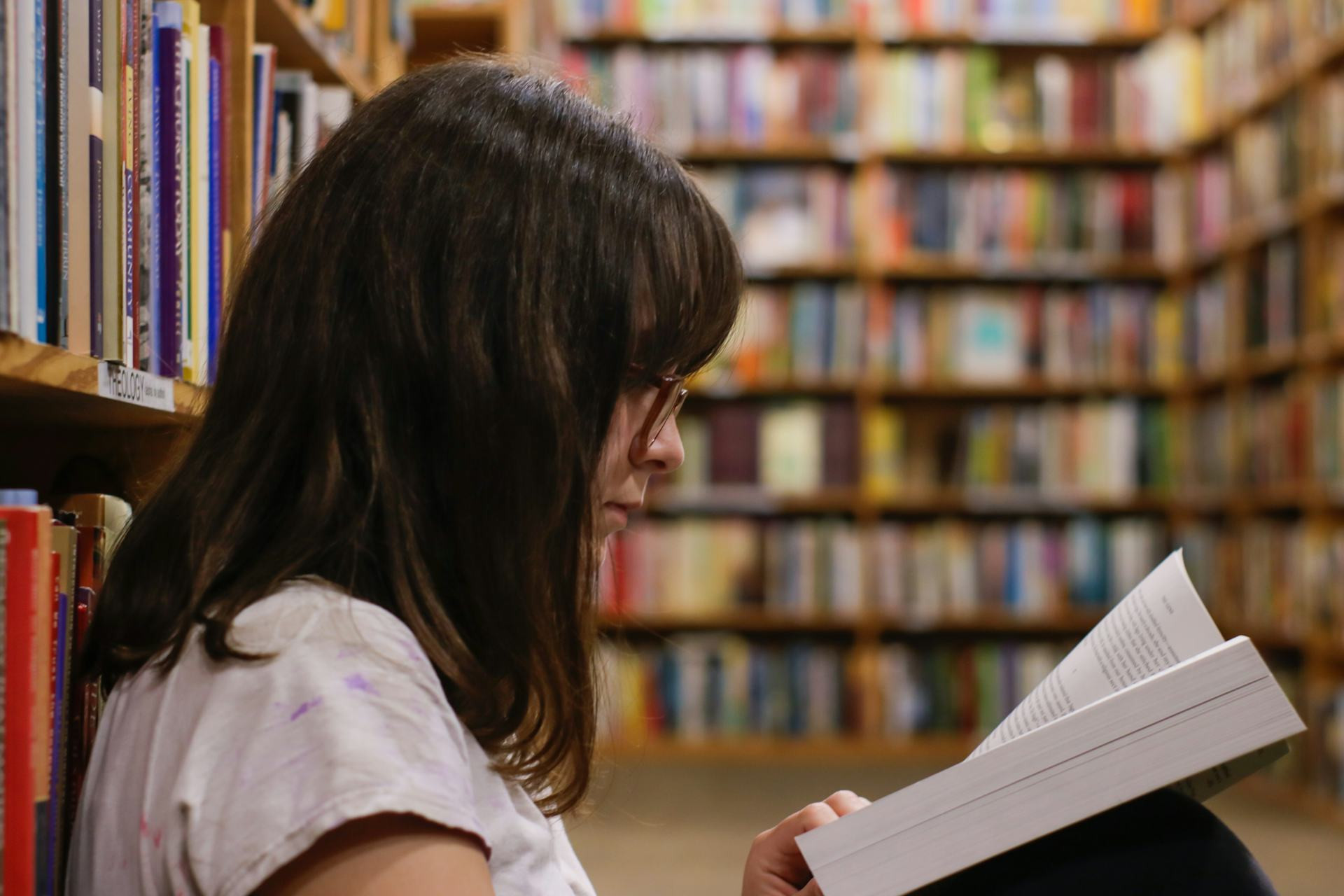
Reading together can take many forms: reading aloud, taking turns with short passages, or reading separately and then discussing what you’ve read. The key is to make it feel natural and enjoyable – not like homework.
Create Time and Space for Reading
In busy British households, finding time to read together can be a challenge. But even small moments can make a difference. Ten minutes before bedtime, a quiet moment on a Sunday afternoon, or reading together after dinner can become a comforting routine.
Set up a cosy reading corner with cushions, blankets, and books within easy reach. When reading has its own place and rhythm, it’s easier to keep the habit going. It’s not about reading a lot, but about reading regularly and with attention.
Talk About What You Read – and Listen
Conversation is what brings reading to life. Ask questions that invite reflection:
- What do you think will happen next?
- Why do you think the character did that?
- What would you have done in their place?
When children are encouraged to express their thoughts, they develop both language and understanding. They also learn that there isn’t always one “right” answer – that stories can be interpreted in many ways. Adults can share their own reflections too. It shows that reading isn’t just about understanding the text, but about feeling it.
Choose Books That Spark Curiosity
It’s easier to talk about a book if it stirs emotions or curiosity. Choose books that suit your interests and ages – but that also challenge you a little. For younger children, picture books with themes like friendship, courage, or difference can open up meaningful conversations. For older children and teens, novels, fantasy, or realistic stories can lead to discussions about identity, choices, and values.
Let children help choose what to read. When they feel ownership of the book, their engagement grows – and so does the conversation.
Reading Across Generations
Reading can also be a bridge between generations. Ask grandparents what they read as children, or read a classic together across ages. It can create a sense of continuity and shared culture – and open conversations about how the world and language have changed.
Even older children and teenagers, who may no longer want to be read to, can enjoy sharing reading experiences with adults. A shared book can become a neutral starting point for talking about topics that might otherwise be difficult to approach.
Læs også:




Make Reading Part of Everyday Life
When reading becomes a natural part of family life, the joy of it grows. It can be as simple as keeping books visible, taking one on a trip, or talking about an article you’ve read online. The most important thing is that reading doesn’t feel like a duty, but like a way of being together – a shared space where thoughts and imagination can unfold.
A Shared Experience That Lasts
Talking about what you read is, in the end, about sharing experiences. It strengthens language, understanding, and relationships. When you read together, you don’t just learn about the world – you learn about each other. And that may be the greatest gift a book can give.
Læs også: