Cemeteries in Transition: From Tradition to a Green and Ecological Whole

Cemeteries in Transition: From Tradition to a Green and Ecological Whole
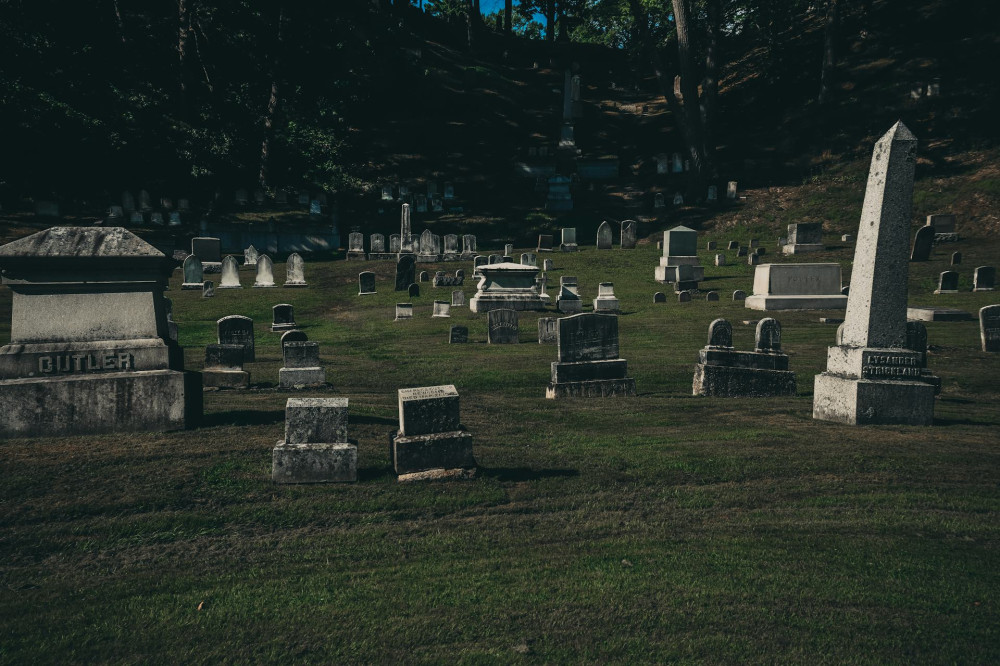
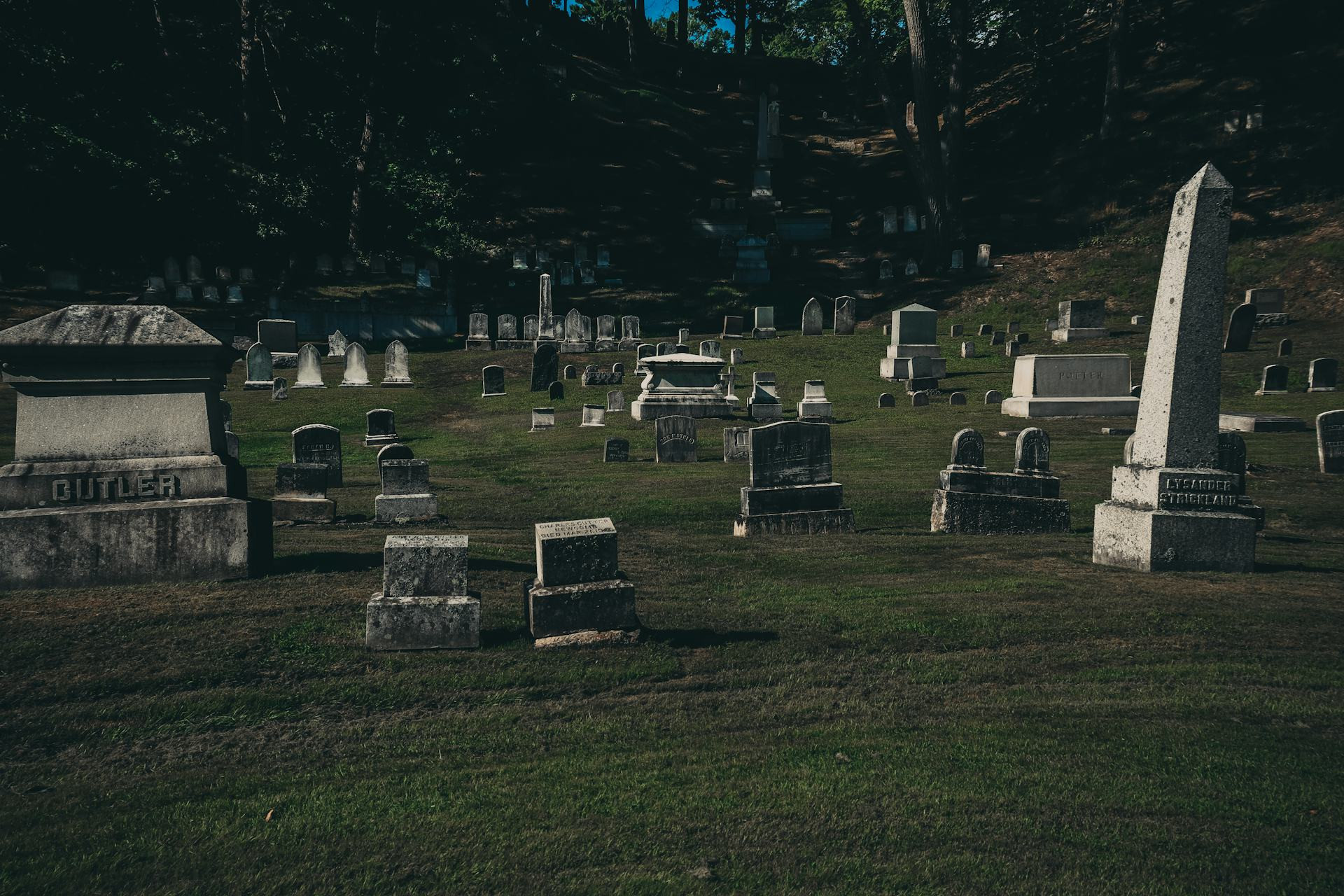
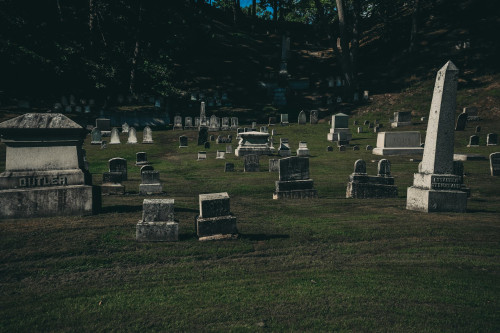
For centuries, cemeteries have been places of remembrance, reflection, and tradition. Yet as society changes, so too does our relationship with death, nature, and the spaces where we honour those who have passed. Across the United Kingdom, many cemeteries are undergoing a quiet transformation – from formal rows of headstones and manicured lawns to living landscapes that embrace biodiversity, sustainability, and community.
From Burial Ground to Green Sanctuary
Where cemeteries were once seen solely as solemn resting places, they are increasingly being reimagined as green sanctuaries within towns and cities. Local councils, church parishes, and community groups are working together to make burial grounds more environmentally friendly – not only to protect nature but also to create peaceful spaces for the living.
Traditional lawns are being replaced by wildflower meadows, chemical pesticides are being phased out, and old trees are preserved as habitats for birds, bats, and insects. These changes are not just aesthetic; they reflect a deeper understanding of cemeteries as part of the natural cycle of life and death.
New Approaches to Burial and Remembrance
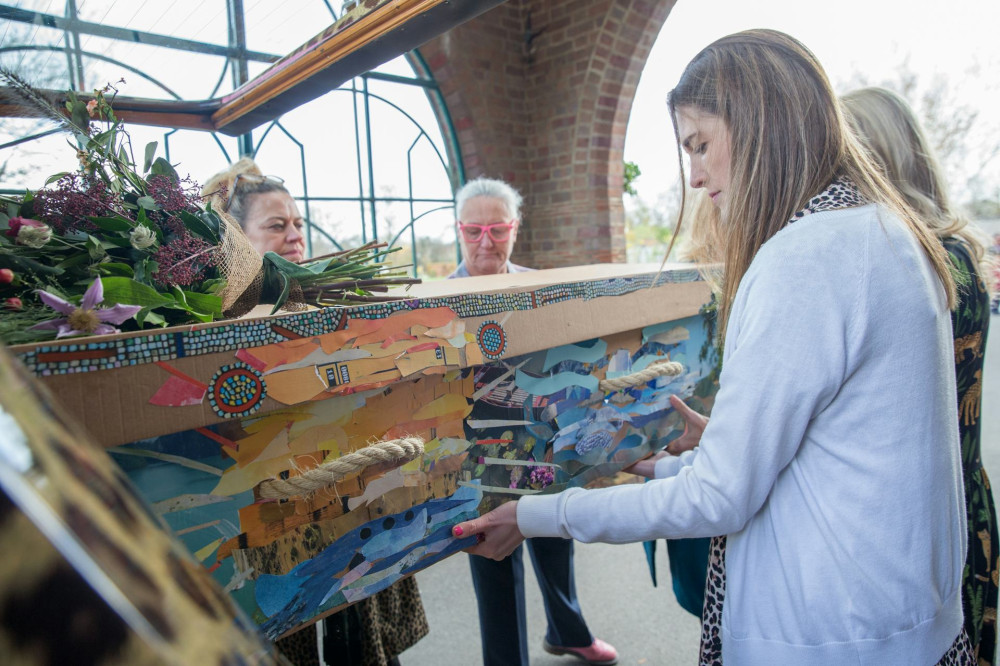
While traditional graves remain common, more people are choosing natural alternatives. Woodland burials, meadow plots, and communal memorial gardens are becoming increasingly popular. These options focus on simplicity, harmony with nature, and a return to the earth.
Many cemeteries now offer green burial plots, where biodegradable coffins or urns are used, and artificial decorations are discouraged. Native plants are encouraged to grow freely, creating a landscape that evolves naturally over time. This approach not only reduces maintenance but also supports local ecosystems.
Cemeteries as Shared Spaces
As urban areas grow denser, cemeteries are also being recognised as valuable green spaces for the community. In some places, gates are open to walkers, birdwatchers, and those seeking quiet reflection. Events such as guided nature walks, art installations, and remembrance gardens invite people to engage with these spaces in new ways.
This shift does not diminish respect for the dead – rather, it deepens it. The modern cemetery seeks to balance the personal and the communal, the spiritual and the ecological. It becomes a place where memory and life coexist.
Sustainability in Practice
The move towards greener cemeteries also involves rethinking how they are managed. Electric maintenance tools, rainwater harvesting, and composting of green waste are becoming more common. Some burial grounds are experimenting with reusing old headstones or sourcing materials locally to reduce their carbon footprint.
There is also growing interest in how cemeteries can contribute to wider environmental goals. Can they form part of a city’s green infrastructure? Can they help manage stormwater or provide corridors for wildlife? These are questions that many cemetery managers and local authorities are now exploring.
A New Way of Saying Goodbye
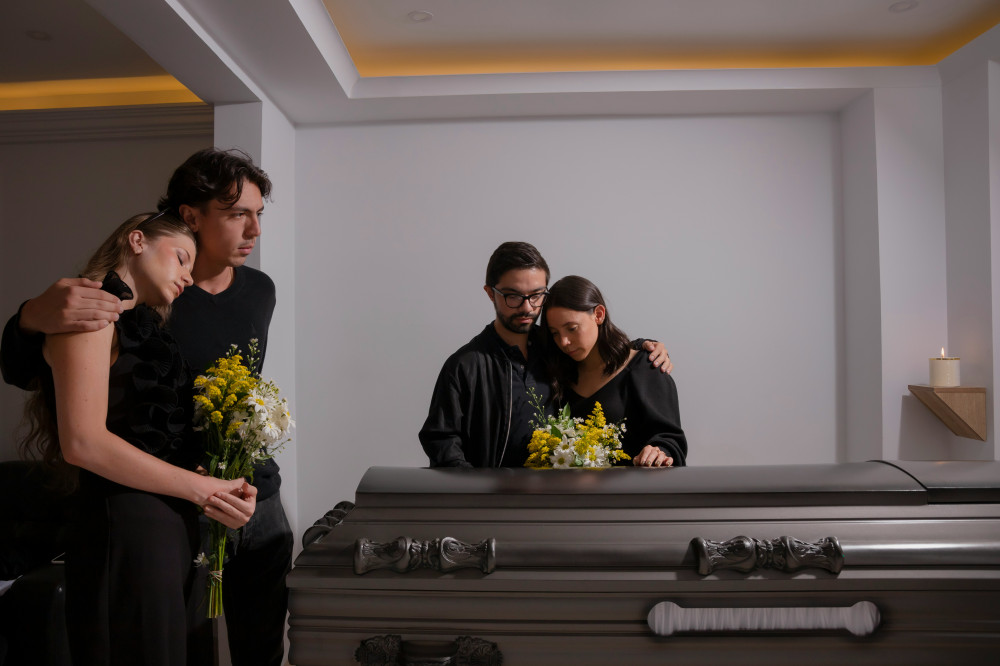
For many people, choosing a burial or memorial that reflects their environmental values feels like a natural extension of how they lived. Green cemeteries offer the chance to say goodbye in a way that is both meaningful and sustainable.
This evolution is not about abandoning tradition but about expanding it. The shift towards ecological burial grounds shows that even the most time-honoured places can adapt – preserving their spirit while embracing the future.
Læs også:
A Living Memory
Walking through a modern green cemetery, one senses that it is not only a place of death but also of life. Birds sing, wildflowers bloom, and the changing seasons remind us of the continuity of nature.
The cemetery is no longer just a resting place – it has become a living landscape, where remembrance, nature, and community come together in a new and harmonious whole.
Læs også: