Green Coffins: When Sustainability Becomes Part of the Final Journey

Green Coffins: When Sustainability Becomes Part of the Final Journey
Sustainability now touches almost every part of modern life – from the food we eat to the clothes we wear and the energy that powers our homes. Increasingly, people in the UK are extending that awareness to the way they say goodbye. Green funerals and eco-friendly coffins are becoming more common, reflecting a desire for a farewell that honours both the person and the planet. It’s not just about materials, but about a broader shift in how we think about life, death, and our place in nature.
From Tradition to Conscious Choice
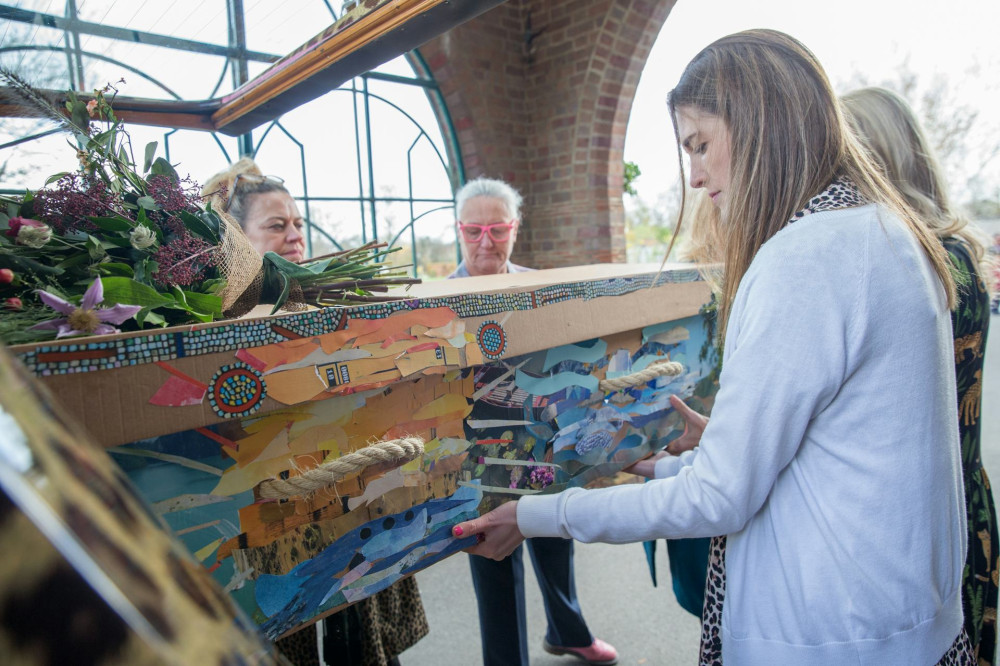
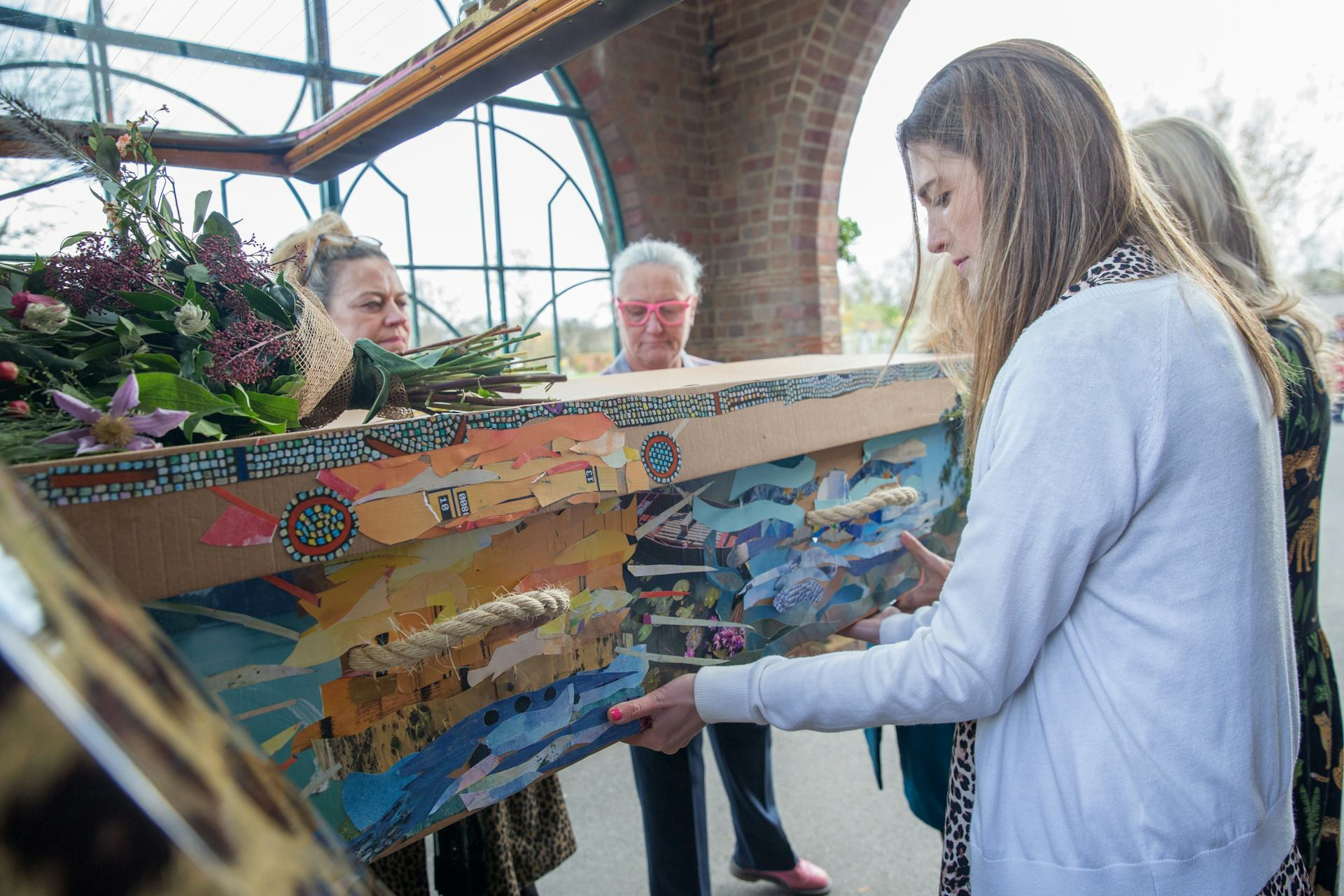
Conventional coffins are often made from hardwoods, treated with varnishes and metal fittings that slow down natural decomposition. In contrast, green coffins are designed to return gently to the earth. They are typically made from sustainably sourced wood, bamboo, willow, cardboard, or even innovative materials such as mushroom mycelium or hemp. These materials break down naturally, leaving minimal trace behind.
The eco-friendly approach extends beyond the coffin itself. Linings, cushions, and shrouds can be made from organic cotton, wool, or other biodegradable fabrics. Adhesives and finishes are chosen for their low environmental impact, ensuring that every element of the farewell aligns with sustainable values.
A New Way to Say Goodbye
For many families, choosing a green coffin is as much about meaning as it is about the environment. There is comfort in knowing that the final act of a life lived with care for the planet continues that legacy. Some people opt for outdoor ceremonies – in woodlands, meadows, or by the sea – where the setting itself becomes part of the tribute.
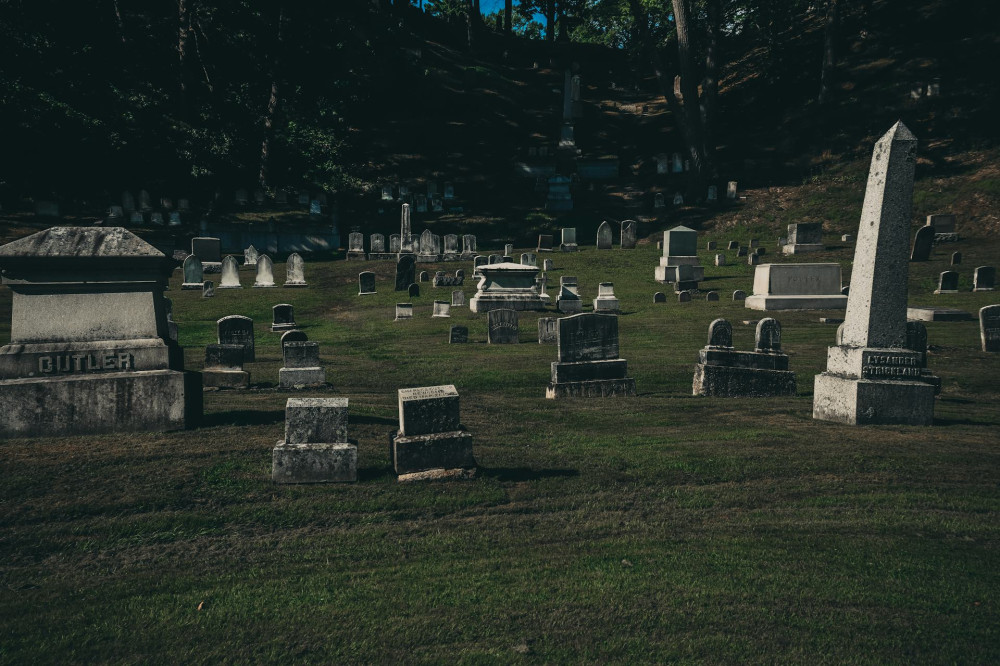
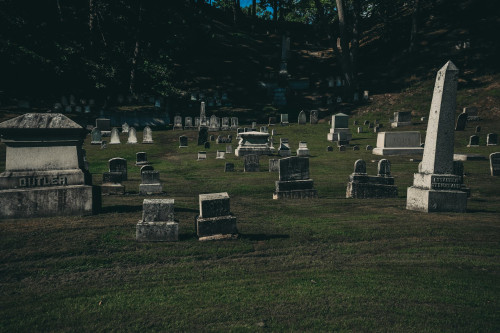
Across the UK, natural burial grounds are growing in number. These sites often forgo traditional headstones and manicured lawns in favour of wildflowers, trees, and open landscapes. Graves blend into their surroundings, creating peaceful spaces that evolve with the seasons and offer a sense of renewal rather than finality.
Læs også:
Cremation and Its Carbon Footprint
Cremation remains the most common choice in Britain, but its environmental cost is increasingly under scrutiny. The process consumes energy and releases carbon dioxide. Some crematoria are now investing in filtration systems and energy-efficient technologies to reduce emissions. Meanwhile, alternative methods such as water cremation (also known as resomation or alkaline hydrolysis) are being explored as lower-impact options, though they are not yet widely available in the UK.
For those seeking a more sustainable option today, a natural burial with a green coffin offers a tangible way to reduce environmental impact while maintaining dignity and respect.
Personal Choices with Meaning
Planning a sustainable farewell doesn’t mean abandoning tradition. Many families still choose flowers, but prefer locally grown, seasonal varieties or living plants that can be replanted. Others avoid plastic decorations and opt for natural materials like moss, twigs, or stones. Even transport can be considered: some funeral directors now offer electric hearses, and many cemeteries are adopting greener maintenance practices.
These choices show that sustainability and ceremony can coexist beautifully. A green funeral can be deeply personal, reflecting the values of the person being remembered while contributing to a gentler footprint on the earth.
A Step Towards a Greener Future – Even in Death
Choosing a green coffin is a small but powerful gesture. It reminds us that our values can guide us right to the end, and that even in death, we can give something back to the world that sustained us. For many, that thought brings comfort: the idea that the final journey is not just an ending, but a return – a quiet continuation of life’s natural cycle.
Læs også: