Small Steps Back Toward Community After a Loss

Small Steps Back Toward Community After a Loss
When someone you love dies, the world changes. Everyday life loses its rhythm, and what once felt natural can suddenly seem impossible. Many people find that grief pulls them away from others – from friends, colleagues, and the activities that once brought joy. Yet, over time, small steps back toward connection can become an important part of healing. This article explores how you can find your way back – at your own pace.
When Silence Takes Over
After a loss, silence can feel overwhelming. You might miss the conversations, the laughter, or simply the presence of another person. It’s natural to withdraw for a while – grief needs space and quiet. But if loneliness begins to weigh too heavily, reaching out, even in small ways, can help.
It might be a brief chat with a neighbour, a walk with a friend, or attending a local group where you don’t have to say much. What matters most isn’t how much you participate, but that you begin to feel the world around you again – and to remember that you still have a place in it.
The Healing Power of Community
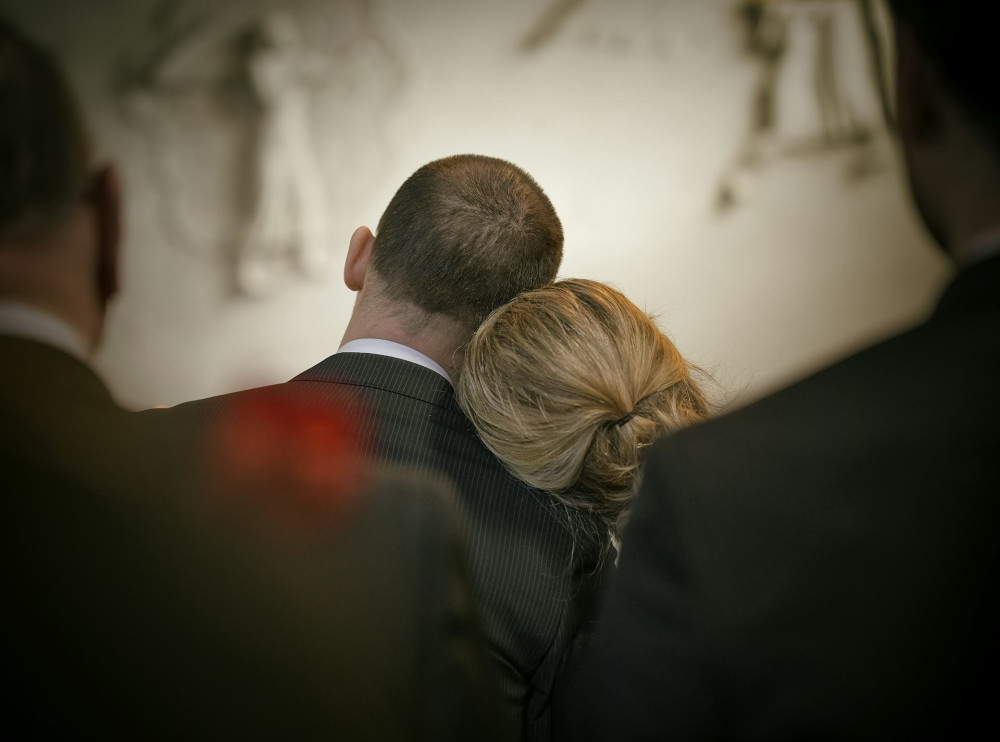
Community cannot take away grief, but it can help carry it. Sharing your thoughts with others can make the burden feel lighter. Many people find comfort in talking with those who have also experienced loss – they understand without needing every detail explained.
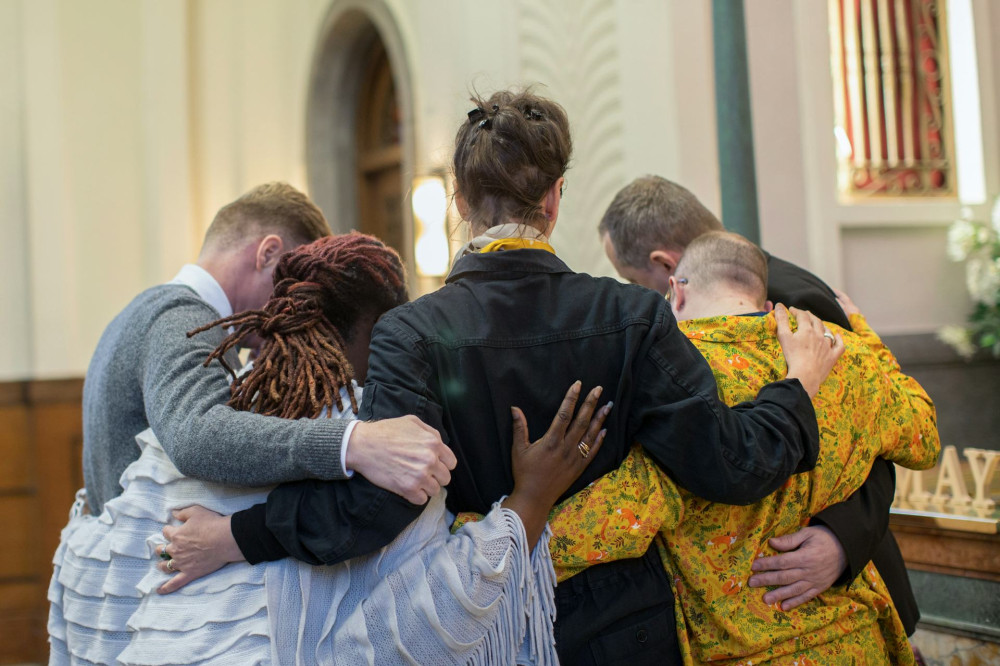
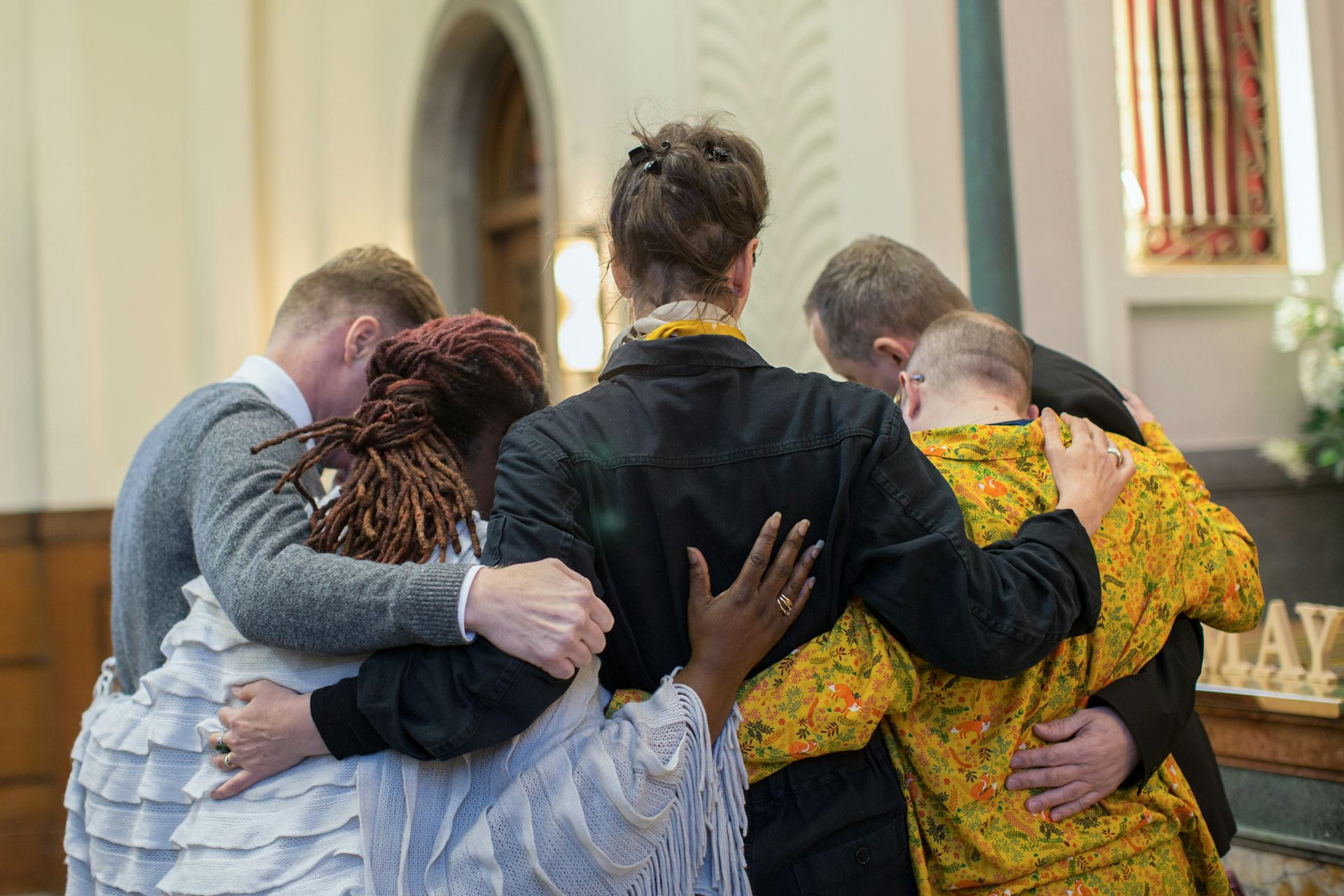
Across the UK, there are bereavement groups, church gatherings, and local support networks where people meet in safe, understanding spaces. There’s room for tears and silence, but also for laughter and hope. It can be a relief to realise you’re not the only one trying to find your footing again.
Small Steps, Big Changes
Returning to community rarely happens through big decisions. It often begins with small actions: accepting an invitation, going for a walk, or joining an activity you once enjoyed. It may feel awkward at first, but over time, these moments can bring energy and meaning.
Try setting small, realistic goals. You might meet a friend for coffee once a week, join a local class, or simply spend time at the library among others. Each step you take back into the world strengthens your connection to life around you.
When Grief Meets Everyday Life
Grief doesn’t disappear overnight. It becomes part of you – but it can find its place, leaving room for joy and connection too. Many people find it helpful to create new routines that bring structure and comfort.
That might mean starting the day with a walk, cooking with others, or getting involved in something that feels meaningful. Everyday life can become an anchor, helping you stay steady when emotions shift.
Læs også:

Accepting Help
It takes courage to reach out – to friends, family, or professionals. But you don’t have to face grief alone. Talking with a counsellor, faith leader, or bereavement support worker can offer new perspectives and tools for coping with difficult days.
If taking the first step feels hard, start by telling someone how you’re feeling. Often, people around you want to help but don’t know how. By opening up, you give them the chance to be there for you.
A Community in Change
As you slowly return to community, you may notice that relationships change. Some grow closer, while others fade. That’s a natural part of the process. What matters most is finding the people and places where you feel seen and accepted – with both your sorrow and your hope.
Finding your way back to community after a loss isn’t about forgetting. It’s about learning to live on, carrying your memories as part of who you are. Small steps can lead to big changes – and, in time, you may find that life can once again hold warmth, connection, and quiet joy.
Læs også: